URGENT NEED: BLOOD DONATIONS

PLEASE JOIN US AT MEADOW PEAK ASSISTED LIVING & MEMORY CARE ON
Tuesday, July 21 | 10 AM – 4 PM
Schedule Your Appointment Now
To schedule an appointment or learn more, visit redcrossblood.org and enter the Sponsor Code: MeadowPeak
Questions about eligibility?
Call 1-866-236-3276.On the day of your appointment, complete your pre-donation health history at redcrossblood.org/RapidPass.
YOUR HELP IS NEEDED. SCHEDULE NOW TO DONATE ON
Tuesday, July 21 | 10 AM – 4 PM
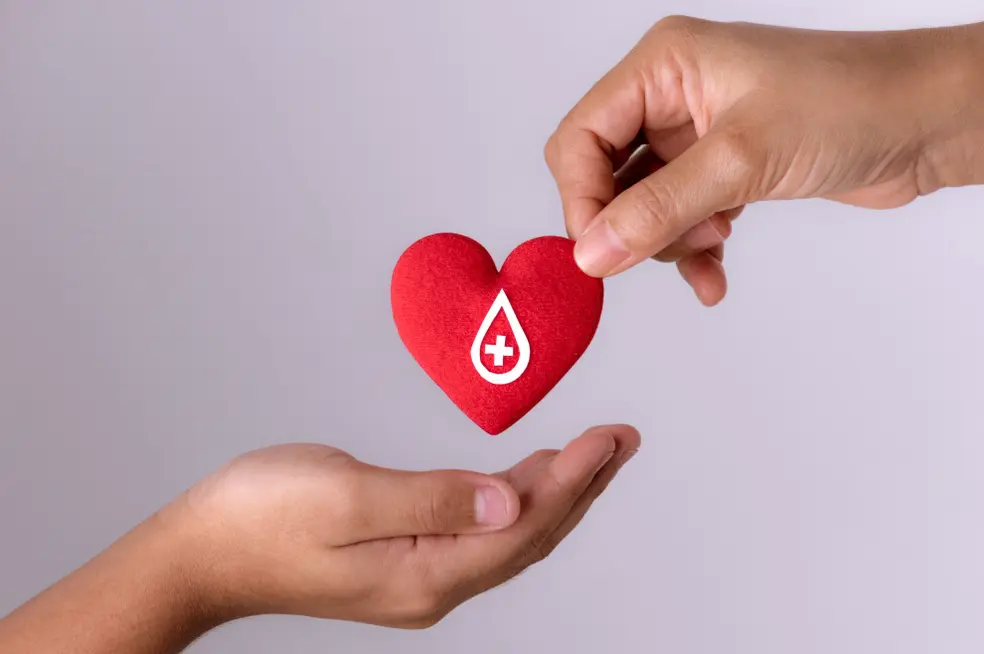
Blood Drive
The RED CROSS has an URGENT NEED for Blood Donations.
American Red Cross is currently facing a severe nationwide blood shortage and is issuing an urgent emergency appeal to help replenish supplies
The American Red Cross is facing an emergency blood shortage after the national blood supply dropped nearly 25% in June. Blood donors are urgently needed to help replenish inventories and ensure patients continue to receive lifesaving treatments without delay.
A sharp decline in blood donations since late May has widened the gap between available blood products and patient needs. At the same time, Local and Regional Hospitals needs are approximately 4% higher than projected, placing additional strain on an already limited supply.
1-800-RED CROSS | RedCrossBlood.org | Download the Blood Donor App
SPECIAL PROMOTION:
Give blood July 13 to 31 for a Fandango Movie Reward by email to see a movie on The Red Cross.
Download Helpful Information Here
About the Donations Process
Giving whole blood is simple. The donation process, from the time you arrive until the time you leave, takes about an hour. The donation itself is only about 10 minutes. And the satisfaction you get from knowing you’ve helped change a life? Timeless.
Step 1: Registration
- You will read information about donating blood.
- You will be asked to complete a form with demographic and basic health information.
- You will be asked to show an American Red Cross donor card or positive ID.
Step 2: Health history
- Health history and mini physical
- A trained staff person will ask you some health history questions during a private and confidential interview.
- You will have your temperature, iron level, blood pressure and pulse checked to protect your health and well-being.
Step 3: Donation
- Staff will cleanse an area on your arm and insert a needle for the blood drawing procedure.
- The actual process of donating blood takes approximately 7-10 minutes.
- When about a pint of blood has been collected, the staff will remove the needle and place a bandage on your arm.
Step 4: Refreshment
- You will spend a few minutes enjoying refreshments so your body can adjust to the slight decrease in fluid volume.
- Enjoy the feeling of knowing you’ve done something good.
before you give
Get a good night’s sleep, have a good breakfast or lunch, drink extra water and fluids (but avoid tea, coffee or caffeinated beverages), eat iron-rich foods like fortified cereals and broccoli, and avoid fatty foods like hamburgers, fries or ice cream.
while you give
Wear clothing with sleeves that can be raised above the elbow, show the staff “good veins” that have been used to draw blood in the past, and don’t forget to relax.
after you give
Enjoy a snack and drink in our refreshment area. Drink plenty of fluids in the next 24 to 48 hours, avoid strenuous physical activity or heavy lifting for about five hours, and eat a well-balanced meal.
remember
Donors seldom experience discomfort after giving, but if you feel light-headed, lie down until the feeling goes away. If bleeding occurs after you take off your bandage, apply pressure to the site and raise your arm until the bleeding stops. If bruising or bleeding appears under the skin, apply a cold pack. And if for any reason, something doesn’t feel right, call the post-donation number at 1-866-236-3276.
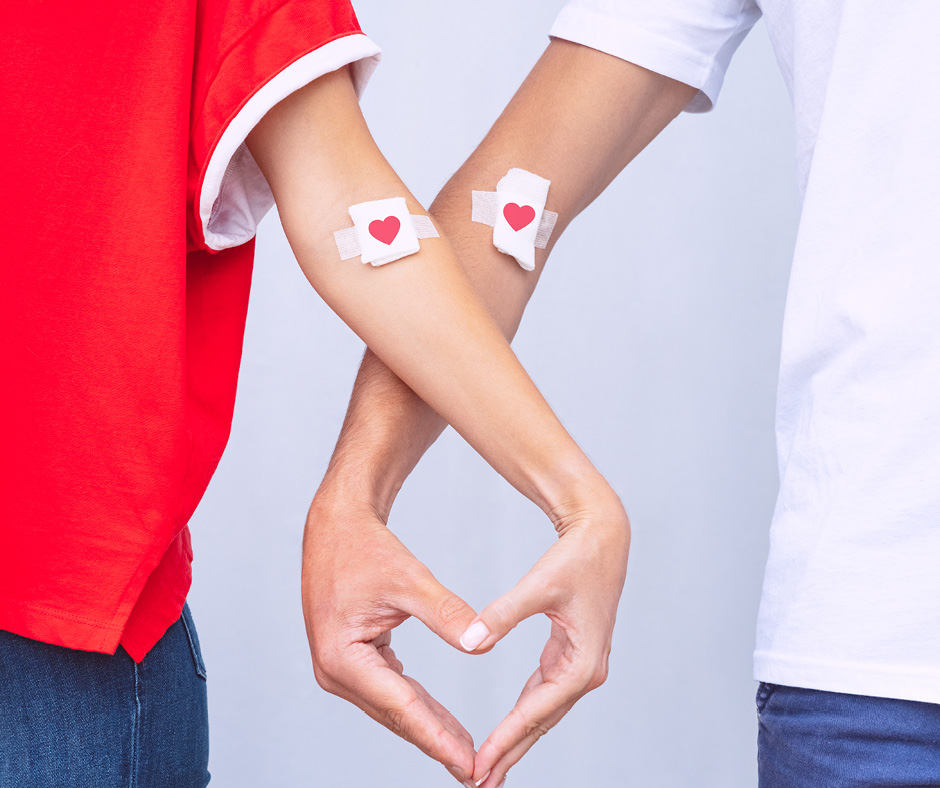
Wear your badge of honor proudly! You’ve earned it!
POWER RED
Red blood cells are the most commonly transfused blood component.
With a Power Red donation, you give a concentrated dose of red blood cells.
You can maximize your impact with one donation and help more patients.
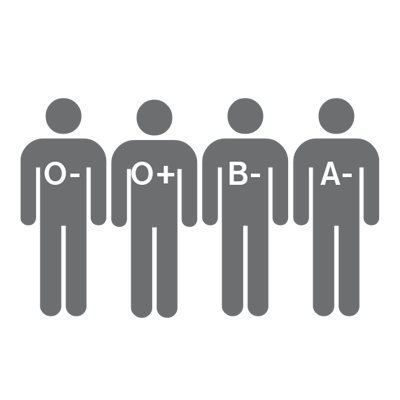
A Power Red donation is ideal for O-, O+, B- and A- donors.
Power Red Requirements:
Ask a Red Cross staff member for more details about Power Red.
Female
• Minimum height: 5’3”
• Minimum weight: 150 lbs.
Male
• Minimum height: 5’1”
• Minimum weight: 130 lbs.
redcrossblood.org l 1-800-RED CROSS l 1-800-733-2767 | facebook.com/redcrossblood
RedCrossBlood.org/PowerRed | 1-800-RED CROSS (1-800-733-2767)
OUR BLOOD SAVES LIVES
SICKLE CELL FIGHTERS

Who is impacted by sickle cell disease?
Approximately 100,000 people in the U.S. are living with sickle cell disease. Most people with sickle cell disease are African American or of African descent. In fact, the disease affects 1 out of every 365 African American babies born in this country.
What is sickle cell disease?
Sickle cell disease causes red blood cells to be hard and crescent-shaped (like a sickle) instead of soft and round. As a result, it is difficult for blood to flow smoothly and carry enough oxygen to the rest of the body, which may result in severe pain, organ and tissue damage, or even strokes.
How is sickle cell disease treated?
Blood transfusions help provide a lifesaving treatment during a sickle cell pain crisis by replacing sickled red blood cells with healthy red blood cells. This helps deliver oxygen to tissues and organs and unblock blood vessels. Donated blood is the only source of this treatment.
How can I help?
Blood donors who are Black have the unique ability to help patients with sickle cell disease. A person with sickle cell disease may need a precise pairing with a blood donor, especially if frequent transfusions are necessary. If a patient receives a transfusion of a blood type that is not a close match, they may form antibodies against the mismatched antigens. To help avoid transfusion-related complications, a patient is more likely to find the most compatible blood match from a donor of the same race or similar ethnicity.
Schedule a blood donation appointment and learn more at: RedCrossBlood.org/OurBlood
Blood Donations Can Save Lives
Here are a few people whose lives have been touched by generous blood donors:

At 27, Justina is living her dream. She supports people with sickle cell disease and helps them work through health-related challenges. Diagnosed with sickle cell disease at birth, Justina needed her first emergency blood transfusion at three. “Doctors said they could have lost me had I not gotten to the hospital and got that transfusion.”
That was the first of many blood transfusions to help relieve Justina of the pain she endures during a crisis. To manage her sickle cell disease today, Justina receives monthly blood transfusions. She estimates she’s received blood more than 100 times.
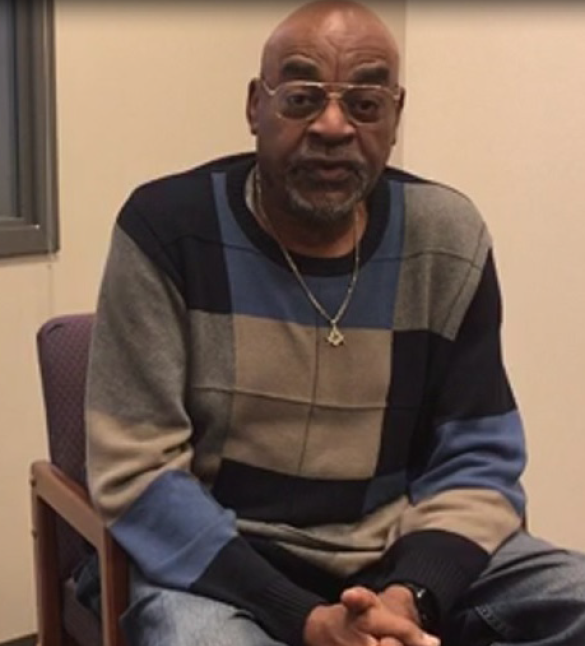
Melvin began donating blood at age 18 for a simple reason: “the boss would let you leave work early!” he said, laughing. In the past 54 years, Melvin has donated 95 pints of blood, and for several years he’s been matched with a patient with sickle cell disease. He came to donate every time that person needed a transfusion.
Melvin stopped giving a few times in his life, following cancer diagnoses. Both times, he went back to giving blood after completing treatment. In 2020, he was diagnosed with bone cancer. Melvin receives blood transfusions himself as part of his treatment. “This experience impressed on me the importance of giving blood because it is the one thing each of us can do for others. It helps so many people,” said Melvin. “Believe me, donating blood saves lives.”
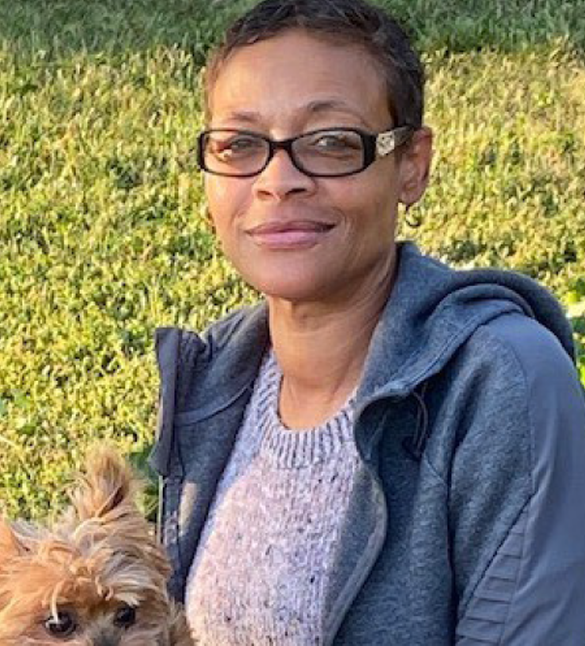
Nicole was diagnosed with sickle cell disease at birth. She experienced her first pain crisis at six months old. Nicole depends on blood transfusions every three to four months and has received over 60 transfusions.
“Blood saves my life,” said Nicole. “when I receive a blood transfusion, I can immediately feel the warmth and replenishment of blood to my organs. Blood donors allow me to continue to live my best life and I will never take them for granted.”